
Verify the source
Inspect the publisher, domain and permissions. Stop if a download page asks for your recovery phrase.
Verify the app before installation →Follow a practical path from wallet setup and recovery planning to asset overviews and transaction checks. Know what each step means before you act.
Explore getting started ↗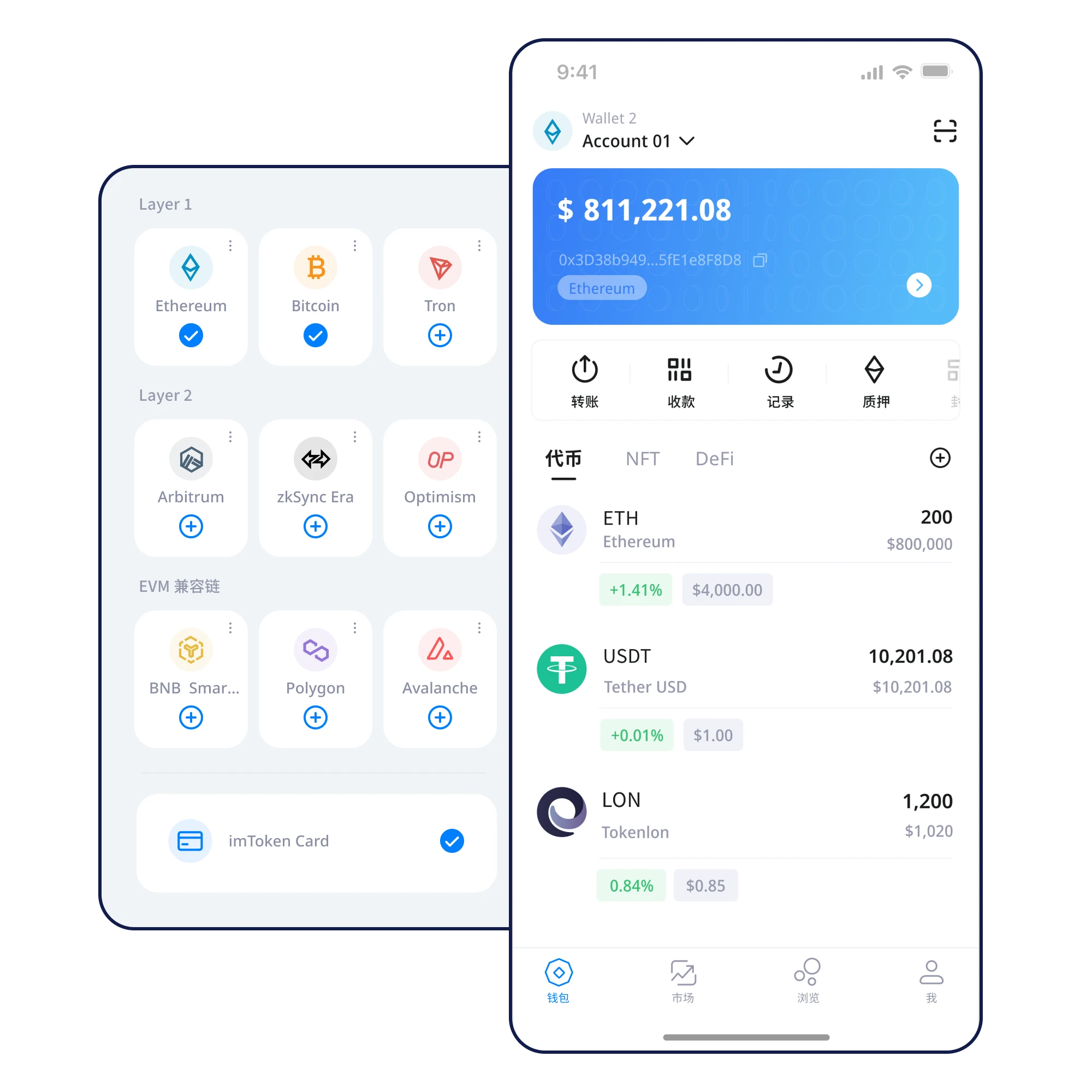
A considered overview of assets, networks and security prompts. All balances below are illustrative.
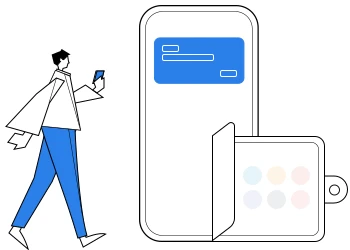
Each stage connects to a practical guide for making the next decision.
Inspect the publisher, domain and permissions. Stop if a download page asks for your recovery phrase.
Verify the app before installation →Prepare a trusted device and understand the difference between creating and importing a wallet.
Create your first wallet with care →Write the recovery words in their exact order without taking screenshots or sharing them online.
Your first recovery phrase backup →Check your copy and store it where you can recover it after a device failure.
Recover from an offline backup →Select the right blockchain, check token contracts and confirm the network for each balance.
Keep a clear view across networks →Check the address, amount, chain and fees before approving any request.
Check a transfer before signing →Explore the purpose and limits of local key handling, including device safety and recovery responsibilities.
Learn the limits and the workflow, not just a security icon.
Why local key handling matters →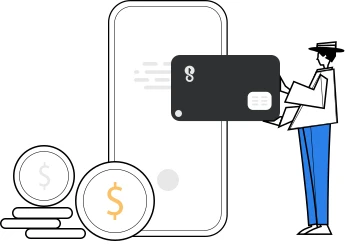
Prepare a trusted device, restore with an offline recovery phrase and validate addresses and networks afterward.
Learn the limits and the workflow, not just a security icon.
Recover from an offline backup →
Review the receiving address, token, chain, network fees and amount before approving a transfer.
Learn the limits and the workflow, not just a security icon.
Check a transfer before signing →
Security is a practice, not a single button.
Use a repeatable checklist across devices, networks and signing requests.
Use a repeatable checklist across devices, networks and signing requests.
Use a repeatable checklist across devices, networks and signing requests.
Browse focused guides from setup to troubleshooting.
Every task calls for its own checks.
Learn how to prepare your device, create a wallet and verify recovery details before depositing anything.
Create your first wallet with care →Organize assets by network and verify token contracts rather than assuming matching ticker symbols mean matching assets.
Keep a clear view across networks →Review the receiving address, token, chain, network fees and amount before approving a transfer.
Check a transfer before signing →Confirm your backup works before switching devices and inspect the restored account before retiring the old phone.
Move to a new device safely →Impersonated links, malicious approval prompts and wrong networks deserve a second look.
Read practical answers without leaving this page.
With self-custody, recovery credentials remain the user’s responsibility. Confirm the actual key-handling model of the application you install.
Fetching current balances and broadcasting transfers generally need connectivity. An offline recovery backup does not.
Record it accurately offline in a secure place, not in screenshots, cloud notes, chats or website forms.
A private key authorizes signing for an account. A recovery phrase can commonly derive multiple private keys. Protect both.
Confirm your source, protect recovery credentials and review every network and destination before signing.
⬇ Download Now